
Listening to the Body
|
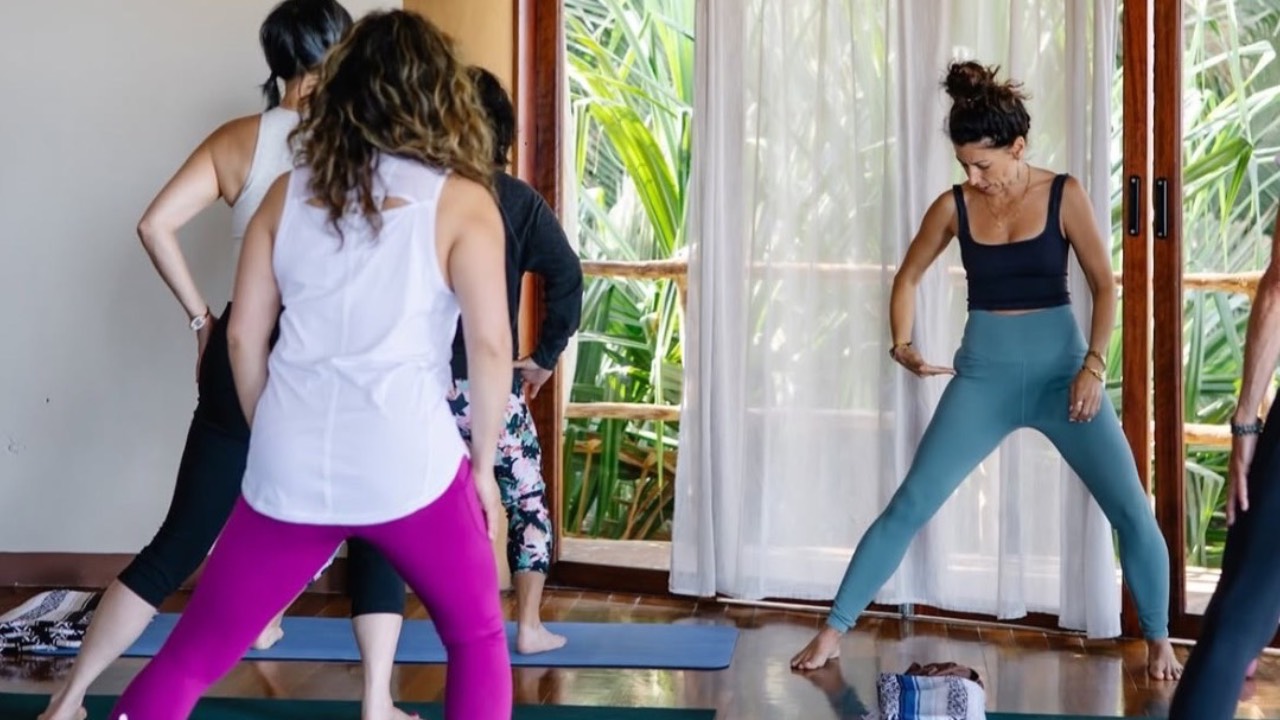
Last weekend, I led a private workshop for a group of women called Happy Hips. We explored mobility and strength, along with the emotional connections we sometimes associate with this area of the body. Before we began, one woman asked, "Can you speak to how emotions are in the body?" What a great question. Think about a difficult conversation. Does your jaw tighten? Do your shoulders creep toward your ears? Maybe you feel a knot in your stomach before you've even found words for what's bothering you. We experience emotions physically, too. Our brain and body are constantly communicating through our nervous system, including the vagus nerve, and through chemical signals, such as hormones. When we feel stressed or threatened, our breathing can change, our muscles may tighten, and our heart rate can increase. That response can happen during an injury, but also when we're worried about money, navigating a relationship, or facing uncertainty. Physical pain and emotional distress involve some overlapping brain networks, although they aren't processed exactly the same way. When stress continues, muscle tension and changes in breathing can become familiar patterns. This doesn't mean an emotion is literally stored in a muscle, but our emotional experiences can influence how our bodies feel. The same connection works with pleasant experiences. Think about laughing with someone you love or feeling supported. Notice what happens to your breath, your face, your shoulders. And what about the hips? Some traditions symbolically connect the hips with moving forward, security, creativity, and desire. These can be interesting themes to reflect on, but tight hips don't tell us what someone is feeling. Hip tightness has many possible contributors, including how we move, load our bodies, and recover. For me, these connections are an invitation to be curious. There's a name for sensing and interpreting what's happening inside our bodies: interoception. It helps us notice our breathing, a flutter in our stomach, a racing heart, or a feeling of ease. Our thoughts and self-talk can influence these experiences, too. You may notice a difference between telling yourself, "I have to figure everything out right now," and "I can take this one step at a time." Awareness gives us a place to begin. |
| A simple practice in listening |
|
Find a comfortable place to sit or lie down. Keep your eyes open or close them, whatever feels easier. Start by noticing the support beneath you and a few things around the room. Then bring your attention to a sensation in your body. Perhaps there's warmth, tightness, pressure, or an area that feels at ease. If you'd like, bring a small, everyday concern to mind and notice whether anything changes. Ask yourself: Where do I feel this? What does it feel like? You don't need to search for a memory or an explanation. Simply notice. The sensation may shift, soften, or stay the same. After a few breaths, return your attention to the room. You can stop at any time, especially if looking inward feels overwhelming. There's no need to stay with discomfort until it changes. You might take a moment afterward to journal: What did I notice? If you have a history of trauma or find this practice distressing, a qualified mental health professional can help you explore it with support. The next time you feel upset or overwhelmed, perhaps try this small pause: "What am I noticing in my body right now?" We don't always have to fix what we notice. Sometimes we can begin by listening with a little more kindness. With love, Lila |
