
How Your Nervous System Decides What Feels Safe

Dear ones,
What does it actually mean to feel “safe” in your body?
This question comes up often—
How do you learn to feel safe in your body?
And how do you know when you’re not?
In the neuro world, we look at safety through outputs—what the body is expressing.
Things like:
- anxiety
- fatigue or low motivation
- tension or stiffness
- pain
These aren’t random—they’re signals.
Your nervous system is constantly asking a very old question:
“Am I safe?”
And it answers that question through a few primary inputs:
- Vision (what you see)
- Vestibular (balance + where you are in space)
- Sensory (touch, pressure, texture)
- Proprioception (body awareness)
All of this information comes in quickly, gets compared to past experiences, and the brain makes a prediction:
→ Is it safe to move forward?
→ Or do I need to protect?
The Threat Bucket
Think of your system like a bucket that holds perceived threats—both known and unknown.
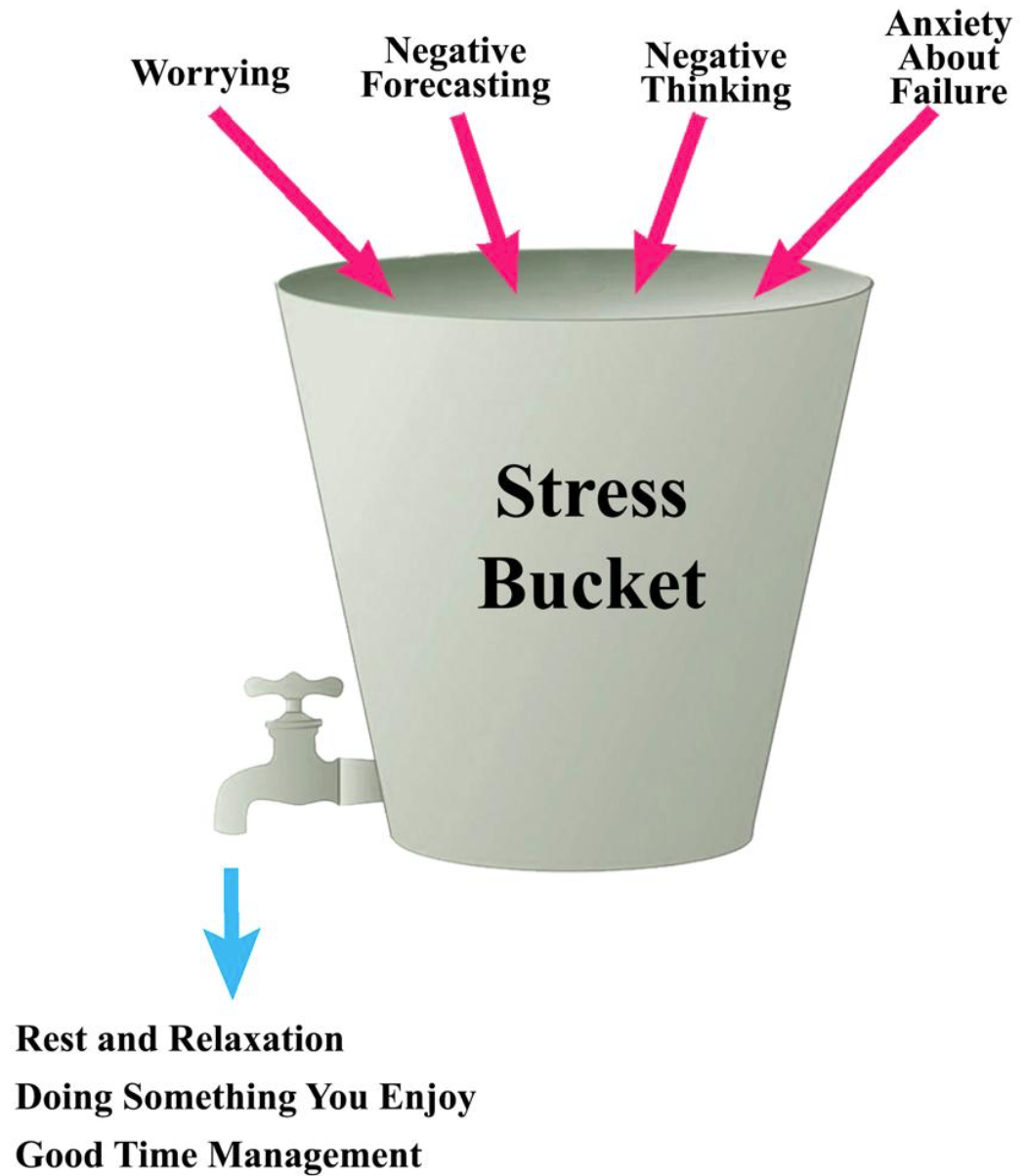
Different inputs are constantly flowing into the bucket:
- vision
- balance
- sensory input
- stress (internal + external)
- past experiences
- old injuries
External inputs might look like:
- a loud or chaotic environment
- rushing, time pressure, or a packed schedule
- lots of screen time or visual overwhelm
- poor lighting or unfamiliar spaces
Internal inputs might include:
- lack of sleep
- dehydration or under-fueling
- emotional stress or overwhelm
- inflammation or lingering effects from an old injury
At the same time, there’s a faucet—your system’s ability to regulate, process, and let things move through.
When the input coming in is greater than what can flow out, the bucket fills.
When it gets too full → it overflows into outputs like:
- pain
- tension
- anxiety
- fatigue
Not because something is wrong—
but because the system is trying to protect you.
Here’s where this work becomes powerful
In the neuro world, we focus on changing the inputs.
Because if we can reduce even one input into that bucket,
the overall output can shift.
And especially when we focus on the parts of the body that take up more space in the brain—like the hands, face, eyes, and breath—the brain prioritizes these areas. When they are well-mapped, we tend to move better, with less tension and less pain.
Less threat →
often means more ease.
This is the foundation of the work.
We’re not just stretching or strengthening—
we’re changing the conversation the brain is having with the body.
Much love,
Lila
