
What My 97-Year-Old Grandmother Taught Me About Pain, Presence, and the Nervous System
Happy June Friends,
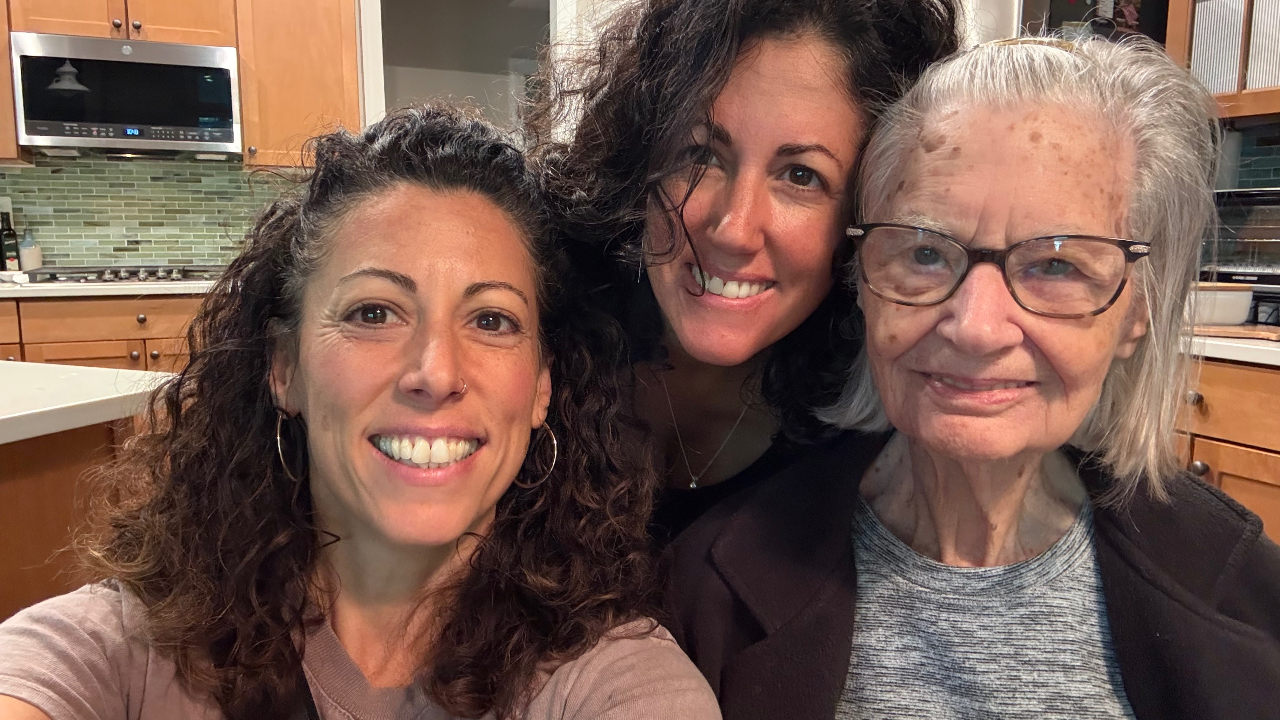
I recently returned from a visit with my 97-year-old grandmother. What a gift it was to sit with her, listen to stories from her life, and simply be in her presence. It was a meaningful trip that I will hold dear in my heart.
My grandmother grew up on a watermelon and tobacco farm without electricity or running water. Imagine that for a moment. No screens, no notifications, no constant stream of information. Life moved at a different pace. The days were shaped by the seasons, the weather, the land, and the work that needed to be done.
As I listened to her stories, I found myself reflecting on how much our environment shapes us.
At one point I asked her what her secret was to living such a long life.
She paused for a moment and said, "I'm not sure. I just focused on the good times."
I loved that answer.
Not because her life was easy. It certainly wasn't. Like all of us, she experienced loss, hardship, and challenges along the way. Yet when she tells stories, she naturally gravitates toward the moments that brought her joy—the people she loved, the adventures she had, and the simple pleasures of everyday life.
It reminded me that our attention is powerful.
The brain is constantly gathering information and deciding what is important. What we notice, what we focus on, and what we repeatedly return to can shape our experience of the world.
This got me thinking about something I hear often from clients.
"I went on vacation and my pain disappeared."
"My back didn't bother me."
"I walked for miles."
"I ate foods I normally avoid and felt fine."
Then they come home and, before long, the pain is back.
Why might that be?
While there are many factors involved, one thing we know is that our environment has a profound effect on our nervous system—and our nervous system influences everything from muscle tension and balance to digestion, energy, mood, and pain.
When we travel, we often spend more time outdoors. We look farther into the distance. We move more. We experience novelty. We connect with people. We step away from routines and responsibilities. We notice different things.
In essence, we give our nervous system different information.
The brain is constantly asking:
Am I safe?
When the answer is yes, breathing often becomes easier. Muscles soften. Movement feels more fluid. Pain can lessen.
Perhaps part of feeling better on vacation isn't just the scenery. Maybe it's that we become more present. We notice the sunset, the mountains, the ocean, the birds crossing the sky, the laughter around the dinner table. We pay attention to what is going well.
And perhaps that shift is one of the many things that helps our nervous system feel safe.
The goal isn't to live permanently on vacation. Nor is it to return to life without electricity and running water. But perhaps there is something we can learn from both.
This month, I invite you to become curious about your environment.
Notice where your breath deepens.
Notice where your shoulders soften.
Notice where you feel most at ease.
Take a moment to let your eyes look far into the distance. Watch the birds fly across the sky. Let natural light enter your eyes. Soften your gaze and take in the world around you.
You may discover that small changes in what surrounds you—and what you pay attention to—can create meaningful changes in how you feel.
With gratitude,
Lila
